Description
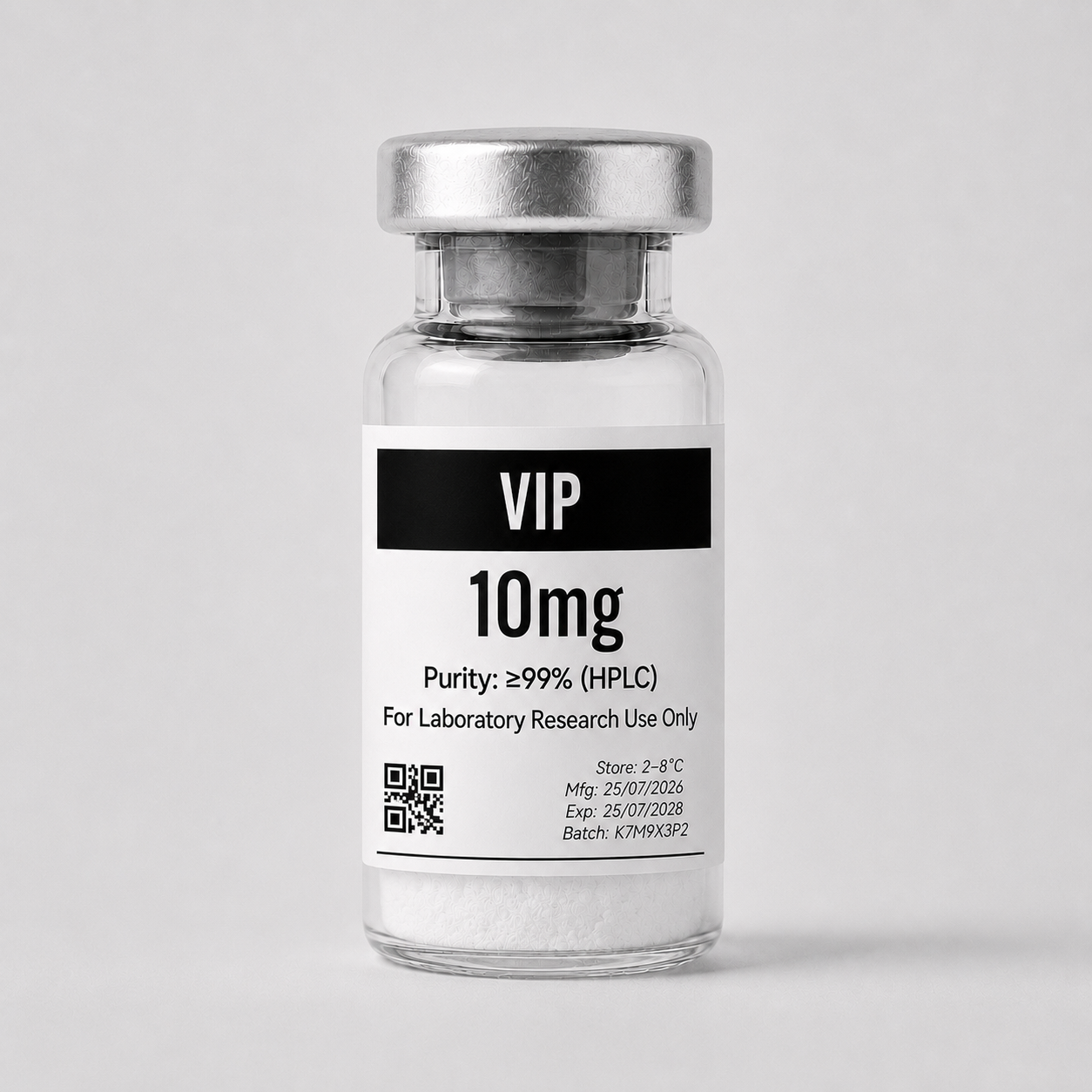
VIP primarily signals through the VPAC1 and VPAC2 receptors, which belong to the class B family of G-protein-coupled receptors. Laboratory research examines VIP’s involvement in vasodilation, smooth-muscle activity, gastrointestinal secretion and motility, respiratory signalling, circadian regulation and immune-system communication.




Reviews
There are no reviews yet.